
Fuse box
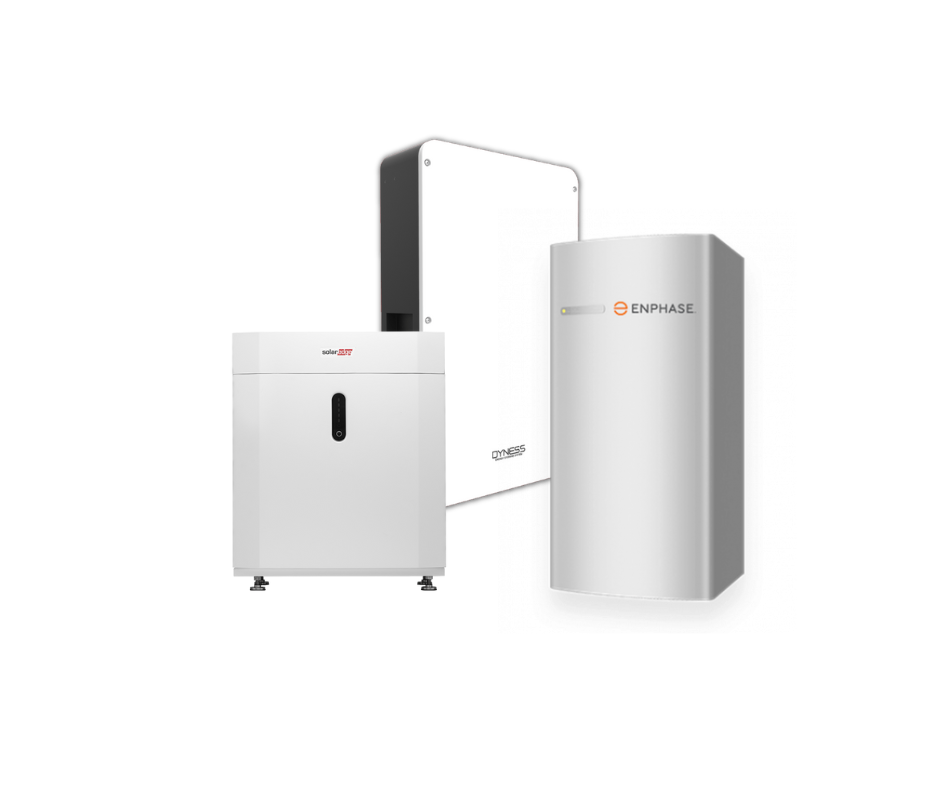
Home batteries are becoming increasingly popular, and that’s not surprising. They are a smart way to store your own solar power and use it later, for example in the evening or when the sun is less…
There are various types of energy contracts in the Netherlands: fixed-rate, variable-rate, and dynamic. Each contract has its own advantages and risks, depending on how you use energy, whether you have solar panels, and whether you use a home battery. In this overview, you can read about the features of these contracts, how they work with solar panels and smart storage, and how you can maximize your energy bill savings.
Many Dutch households have a fixed-term energy contract. Fixed-term contracts often feature standard and off-peak rates, with electricity usually being cheaper during off-peak hours. The key feature of a fixed-term contract is that the price per kWh of electricity and per m³ of gas remains fixed throughout the contract period, which is usually 1, 2, 3, or sometimes 5 years. A fixed-term contract offers a degree of protection: if energy prices rise, your rate remains the same. However, you also do not benefit from price reductions during the contract period. In short, a fixed-term contract provides certainty. Cancelling early usually incurs a penalty.
A fixed-term energy contract combined with solar panels gives you certainty about your energy costs. You use the electricity you generate yourself first, saving money on the fixed price you would otherwise pay for grid electricity. Any electricity fed back into the grid is offset via the net metering scheme until the end of 2026. Please note: some suppliers charge feed-in costs or offer a feed-in tariff. By using your electricity yourself or storing it in a home battery, you get the most out of your solar panels and fixed contract.
A variable energy contract offers flexibility and can be cost-effective if energy prices fall. With this type of contract, electricity and gas prices change regularly, usually every quarter. You benefit from price drops, but your monthly bills may rise if prices increase. Variable contracts often have a short notice period, making it easy to switch. Households that do nothing when a fixed-term contract expires are usually automatically moved to a variable contract, where prices fluctuate.
With a variable-rate contract, electricity and gas prices change regularly, but the rules for solar panels remain the same. You use the electricity you generate yourself first, saving on grid consumption. Electricity fed back into the grid is settled via the net metering scheme until the end of 2026. Some suppliers also charge feed-in costs or offer a feed-in tariff, so it is worthwhile to use as much electricity as possible yourself or store it in a home battery.
A dynamic energy contract follows the current market price of electricity, often on an hourly or quarter-hourly basis. This offers great flexibility: you benefit immediately from price drops, but your monthly bills may rise during peak hours. Dynamic contracts are usually short-term or cancellable monthly, allowing you to switch quickly. They are ideal for smart households that can adjust consumption or store electricity using a home battery.
With a dynamic contract, electricity prices follow the market, often hourly. If you have solar panels, you naturally use your own electricity first, saving directly on grid consumption. Electricity fed back into the grid is billed at the rate applicable at that time. The downside is that feed-in tariffs are often low, because many installations feed electricity into the grid. Drawing electricity from the grid in the evening can also be expensive, as demand is high.
Regarding energy tax, feed-in electricity is offset against annual consumption (the net metering limit) each year, just as with other contracts. Some suppliers charge feed-in fees or offer a feed-in tariff, so it makes financial sense to use as much electricity as possible yourself or store it in a home battery. This maximizes your savings from solar panels and a dynamic contract.
A home battery is ideal when combined with a dynamic contract and solar panels. You store the electricity you generate and use it when market prices are high, maximizing your savings. This helps you avoid high hourly grid prices and make the most of the net metering scheme for electricity you do not use immediately. Electricity fed back into the grid above the net metering limit can be sold at the current market price, and some suppliers also offer a feed-in tariff, making it even more financially attractive to store and use your energy smartly.
Home batteries are becoming increasingly popular, and that’s not surprising. They are a smart way to store your own solar power and use it later, for example in the evening or when the sun is less…
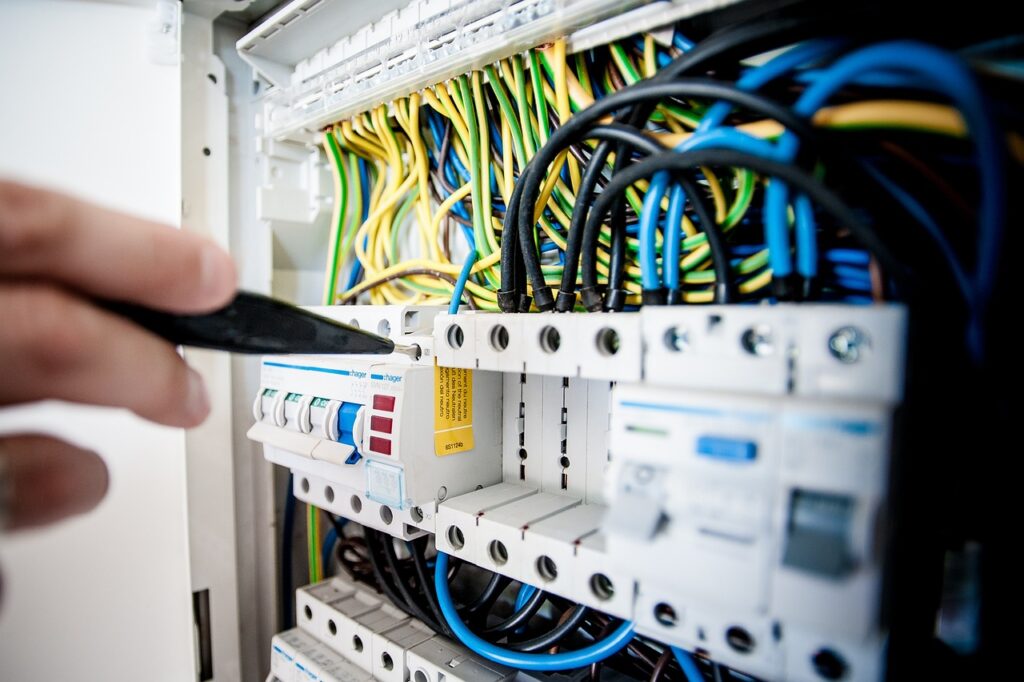
Do you still have an old fashioned dial meter? From 1 January 2026, analogue meters will be replaced by smart meters. Read on to find out what this means and what you need to consider, especially…