

Yield of Solar Panels: What Does It Depend On?
If you’re considering purchasing solar panels, you naturally want the highest possible yield and the shortest possible payback period. But what determines solar panel performance—and how can you maximize your investment? OptimaSolar explains it all.
Payback Period of Solar Panels
Thinking about installing solar panels? You’re not alone—and yes, it’s an investment worth making. With payback periods of under 6 years, solar energy starts saving you money fast. And after that, your panels can continue producing electricity for more than 20 years.

Maximizing Solar Panel Yield
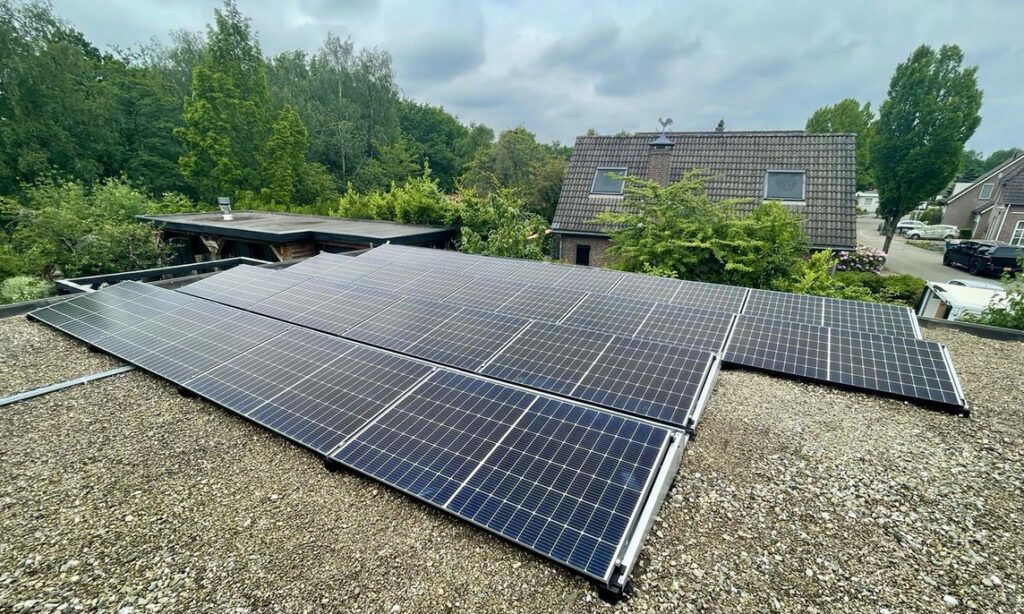
The more panels you install, the more energy you can produce—but it’s not just about quantity. Your roof’s location, available surface area, and potential shading from trees or nearby structures all play a role. A panel placed entirely in the shade, for example, is a missed opportunity.
For optimal performance, glass-glass solar panels are a smart choice. They degrade very little over time and have a long lifespan, delivering consistently high output. While slightly heavier and more expensive, their longevity and efficiency make them a top-tier option.

Recent completed projects


Solar Panel Types and Their Output
There are several types of solar panels to choose from:
-
Full black solar panels – Up to 445 Wp
-
Black-white solar panels – Up to 585 Wp (less sleek, but more powerful)
-
Glass-glass panels & bifacial panels – Typically up to 445 Wp
The choice of panel type affects not just aesthetics but also efficiency and cost.

Example: Solar Panel Yield Per Month
Calculating your solar panel yield is simple: multiply your annual kWh production by your energy tariff.
Example:
12 panels of 430 Wp can generate around 4,400 kWh per year.
At €0.30 per kWh, that equals €1,320 in annual energy value.
If the system costs €5,500, the payback period is just over 4 years.
That’s more than €100 in monthly savings on your energy bill.

How Much Energy Does a Solar Panel Produce Per Day?
Daily solar panel output can vary too much to present accurately in a graph. However, our quotes always include monthly production estimates, which are reliable. If you still want a daily figure, just divide the monthly production by 30.
Yield Loss Due to Lack of Maintenance
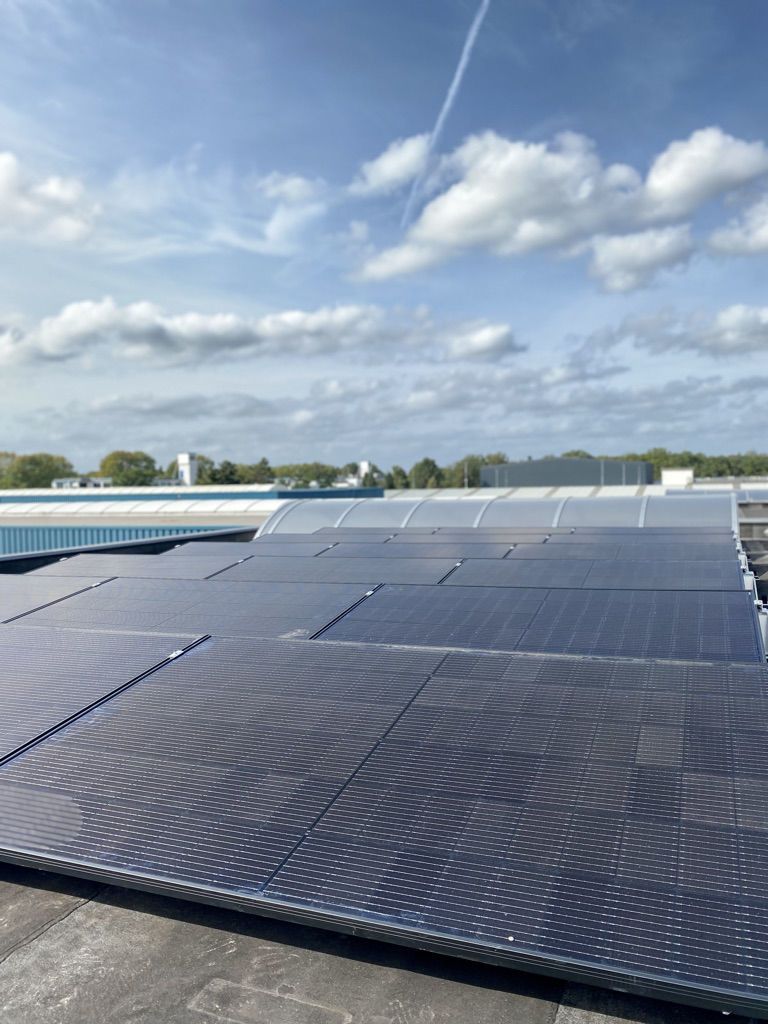
Dirty panels don’t perform at 100% efficiency. Yield loss depends on your location and installation angle, and can be caused by:
-
Fine dust and soot (especially near highways and industrial zones)
-
Atmospheric pollution
-
Algae growth (in wooded areas)
-
Bird droppings
Tip: Regular maintenance keeps your yield high.
Performance Degradation Over Time
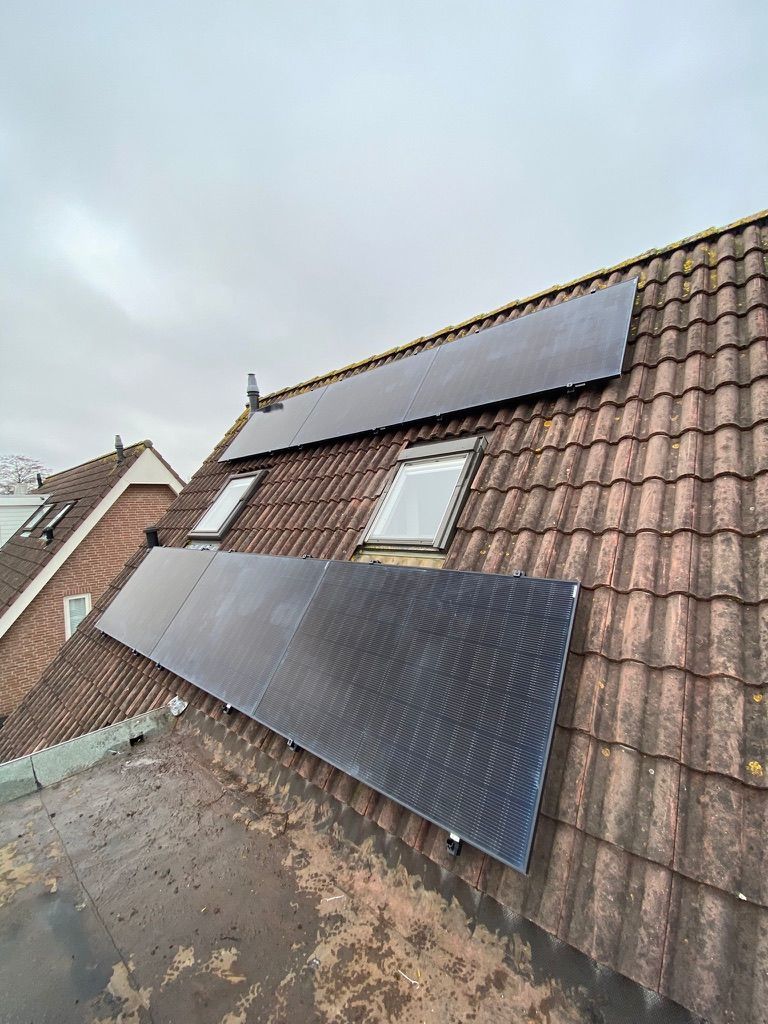
How long do solar panels last? OptimaSolar only uses high-quality panels with strong performance guarantees. While yield does decline slightly each year, manufacturers guarantee at least 84% output after 25 years. Proper installation also matters—our team monitors your system for the first two weeks to ensure everything works perfectly.
Monitor your system regularly using the app to catch any drops in performance.

Payback Time vs. Solar Panel Lifetime
Even systems installed five years ago still offer around 25 years of lifespan. Newer systems may have slightly shorter payback periods due to higher watt-peak output and improved inverter efficiency. Still, long-term value remains strong for all modern systems.
Winter Yield of Solar Panels
As a rule of thumb, solar panels produce two-thirds of their annual output in spring and summer, and one-third in fall and winter.
June is typically the highest-yield month thanks to long, bright days and the high sun angle.
Even in winter, panels continue to generate power. Though production is lower due to shorter days and a lower sun position, panels can still be surprisingly efficient. Fun fact: Snow can actually help clean your panels—and reflect more sunlight for a small production boost!
Thinking about solar panels for your roof? Book a consultation or request a free, no-obligation quote today.
Free consultation
Customer Reviews

We are very happy with our solar installation from OptimaSolar. Wim took the time to meet us at our house to give us advice and estimations. The work was carried out very neat and tidy and Wim himself... [ lees meer ]
- Slabbert Family

Great job! Thank you!
- Daniel Stanciu

Got quotes from 3 other solar panel vendors, found optima solar the best for the price i paid. Panels were installed ontime with the perfection.... After sales support is also excellet. Thankyou.
- S B
Curious about our recent projects?


Schedule a free consulation
