


The Positive Effect of Solar Panel Optimizers
A (power) optimizer is a smart device mounted under each solar panel. It prevents the weakest panel from determining the total output of the solar energy system. This small device ensures that each panel produces energy at its maximum potential, even if some are shaded or dirty, maximizing the overall system performance.
How Solar Panel Optimizers Work
OptimaSolar uses two types of optimizers, depending on whether the panels are installed in series or in parallel. Each system uses a different kind of optimizer. For example, in serial installations with a Solis inverter, we use the Tigo optimizer. These don’t need to be placed under every panel — they’re often used only for shaded panels, so the others continue to perform optimally.
In contrast, SolarEdge systems require a power optimizer under each panel, as the panels and inverter won’t function without them. This system even allows you to combine panels with different power ratings. Additionally, the optimizer maximizes energy output and monitors system safety.
Key Reasons to Use Optimizers
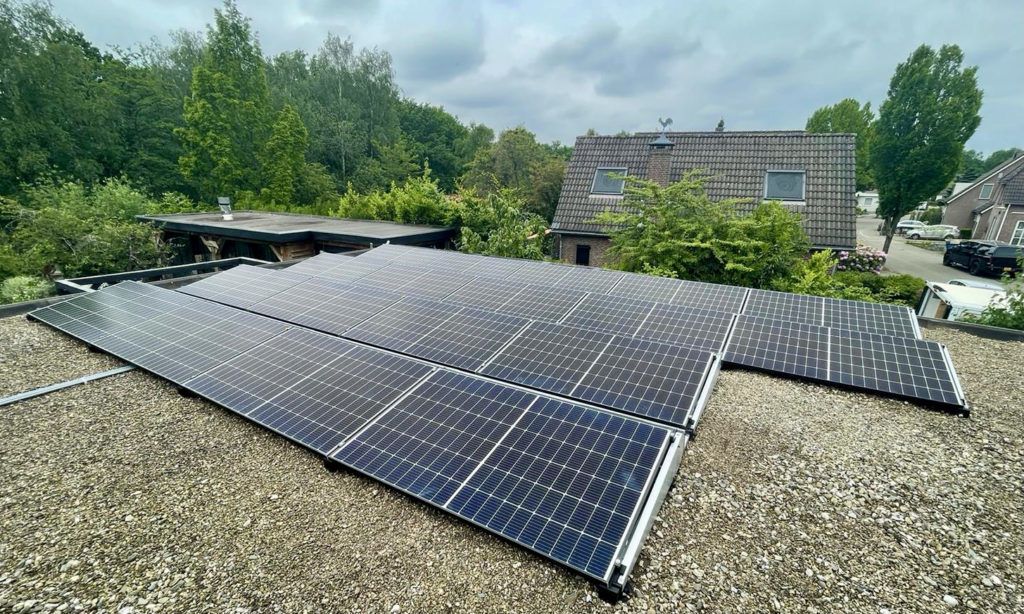
If your roof isn’t ideally positioned toward the sun — for example, if some panels are shaded or face different directions — using optimizers is a smart move.
Shade or dirt on a single panel can reduce the output of an entire string of panels, much like stepping on a garden hose reduces water flow. Optimizers solve this issue by ensuring each panel operates independently at peak efficiency.
Recent completed projects


How Optimizers Are Connected to Solar Panels
Tigo optimizers come with four MC4 plugs — two short and two longer. The short ones connect to the individual panel, and the longer ones connect to the string of other panels. SolarEdge optimizers are similar, with short cables for panel connection and long cables for linking the string. If plugs are connected incorrectly, the system will not function.
Should You Always Use Optimizers?
Not necessarily. If your roof is perfectly suited for solar panels — with no shade and maximum sun exposure — then optimizers might not be worth the extra cost. In that case, the added yield doesn’t justify the extended payback period. Fortunately, optimizers can always be added later.
Monitoring Panels with Optimizers
Tracking your energy output is important. Solis uses the SolisCloud app, which shows your system’s total output — but not the output per panel. SolarEdge, on the other hand, allows monitoring per panel, thanks to the optimizers.

How Much Do Optimizers Cost?
For SolarEdge, optimizers cost around €60 to €80 each. Tigo optimizers are more affordable, at about €30 to €40 each. Be sure to factor in the cost of the central inverter, which is the core of your solar system.
Optimizer Warranty and Lifespan
Both SolarEdge and Tigo optimizers come with a 25-year warranty — matching the average lifespan of a solar panel. That’s a win-win! Inverters, on the other hand, typically last 8 to 12 years, so expect to replace it once during your system’s lifetime.
Interested in solar panel optimizers? Feel free to book an appointment or request a no-obligation quote.
Free advise
Customer Reviews

We are very happy with our solar installation from OptimaSolar. Wim took the time to meet us at our house to give us advice and estimations. The work was carried out very neat and tidy and Wim himself... [ lees meer ]
- Slabbert Family

Perfect
- Kichu xdeee

Great job! Thank you!
- Daniel Stanciu
Interested in our recent projects?


Schedule a free consultation
