SCIOS Scope 12 Inspection: What Does It Involve?
A SCIOS Scope 12 inspection is often requested by insurance companies. This type of inspection, specifically developed in 2019, is designed for the comprehensive assessment of solar power installations. It is especially relevant for businesses with larger solar panel systems. The inspection is carried out by independent inspection companies certified under the SCIOS system. What can you expect? OptimaSolar has extensive experience and is happy to explain the process to you.
Scope 12 Inspection for Companies
Businesses with rooftop solar installations are often required to demonstrate that their systems are safe. In such cases, a Scope 12 inspection becomes mandatory. Due to the rapid increase in solar panel installations in recent years, insurance companies want assurance that installations are properly executed and that the risk of damage is minimized. For you as the owner, it’s also reassuring to know everything is in order.
What Does The Inspection Cover?
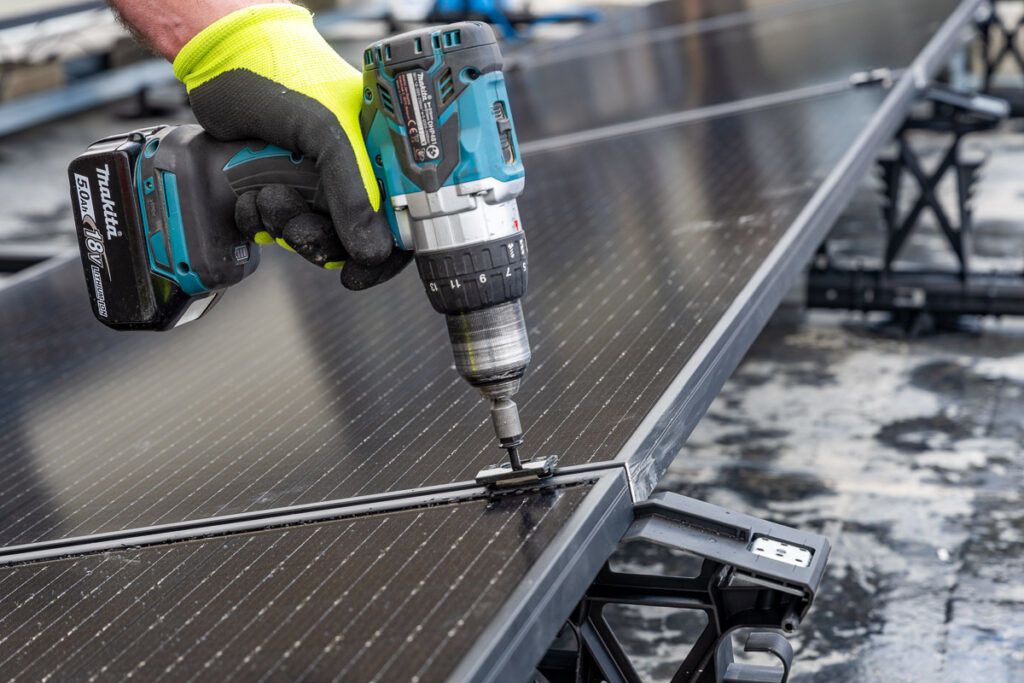
If a solar panel system is not properly installed, there is a higher risk of damage or even fire. The Scope 12 inspection consists of two parts:
-
Initial Special Inspection (EBI)
-
Periodic Inspection (PI)
Once the EBI has been approved, follow-up inspections are required every three to five years. This ensures that your installation continues to meet current safety standards, and you can prove compliance to your insurer.

Recent completed projects


Preparing for The Inspection
Before the inspection, it is important to prepare several documents for the inspector, including:
-
Panel layout (laying plan)
-
Cable plan (especially if there are multiple strings)
-
Product datasheets
-
Ballast plan
-
Structural calculations
-
Photos of inaccessible installation areas

During the Scope 12 Inspection
The inspector will visually examine the solar panels on the roof and take various measurements at the inverter and meter box. This includes the entire route from the panels to the meter box:
-
Solar panels
-
Strings and connectors
-
(Micro)inverters or optimizers
-
Mounting hardware
-
Circuit breakers
The focus is on identifying fire hazards and assessing electrical safety.

After the Scope 12 Inspection
After completing the inspection, the inspector records the findings and includes photographs, either in a written report or a digital file. This report will confirm whether the installation complies with safety requirements. If any issues are found, they will be noted. Once corrections are made and re-checked, you will receive your SCIOS Scope 12 certificate.
Accredited Inspection Companies
Not every company is authorized to carry out a Scope 12 inspection. To do so, they must meet strict requirements. Holding a SCIOS 12 diploma alone is not enough. The company itself must also be certified and audited to guarantee the quality of the inspection process.
Scope 12 Inspection Costs
The cost of the inspection depends mainly on the number of panels and inverters in your system. The inspection must also be carried out safely, which means the business may need to provide access equipment. Due to these variables, an exact price cannot be given upfront. Additionally, rates vary between inspection companies.
Need help or advice? Call us at 0800 – 2468 000 or schedule a free, no-obligation consultation using our online form.

Customer reviews

We are very happy with our solar installation from OptimaSolar. Wim took the time to meet us at our house to give us advice and estimations. The work was carried out very neat and tidy and Wim himself... [ lees meer ]
- Slabbert Family

Great job! Thank you!
- Daniel Stanciu

Got quotes from 3 other solar panel vendors, found optima solar the best for the price i paid. Panels were installed ontime with the perfection.... After sales support is also excellet. Thankyou.
- S B
Curious about our recent cases?


Schedule a free consultation