


Connection Diagram for Solar Panels with Optimizers: How It Works
Optimizers are particularly beneficial for roofs that experience shading from objects such as trees, dormers, chimneys, etc. The impact of shading or pollution on one panel is similar to the effect of stepping on a garden hose – less water flows out. Similarly, when one solar panel is shaded or obstructed, the overall energy output is reduced. The optimizer maximizes the energy production of each individual panel, ensuring that each one performs at its highest potential. How exactly does this work? OptimaSolar is here to explain!
Solar Panels with Optimizers
Solar panels with optimizers can be configured in two different ways. For example, optimizers from brands such as Tigo or SolarEdge can be integrated into the system. The Tigo optimizer is specifically designed for use in series systems. At OptimaSolar, we utilize Solis inverters for this purpose. It is not always necessary to install an optimizer under every panel. Typically, optimizers are deployed for panels that experience shading, ensuring that the other panels continue to operate at optimal efficiency.
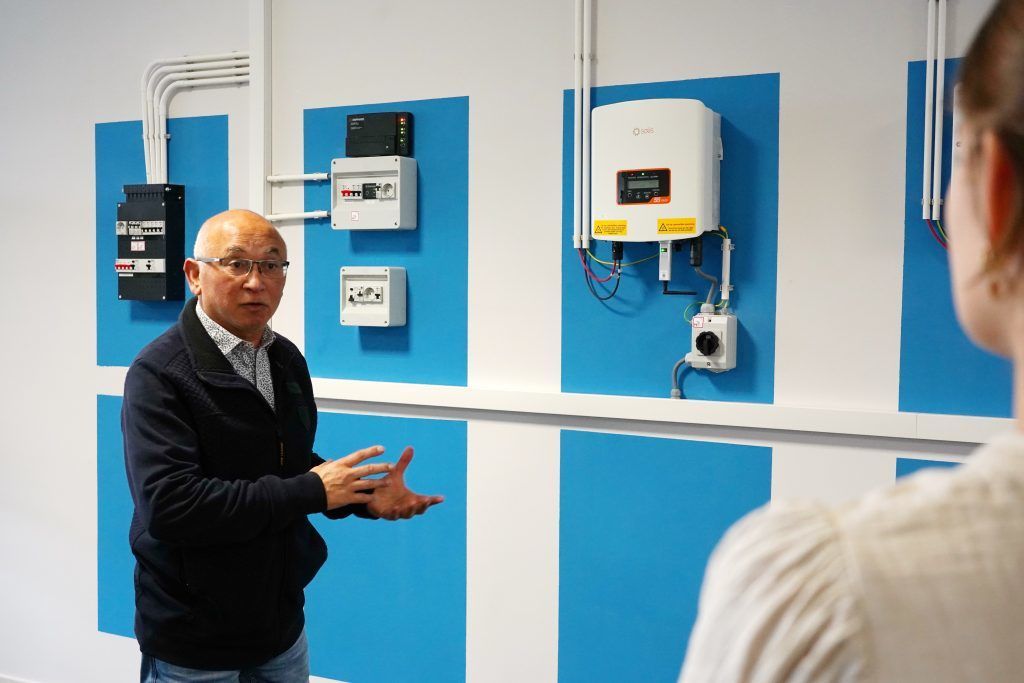
Power Optimizer for Solar Panels
There are also systems in which an optimizer is attached to each individual panel. This is necessary because the optimizer and inverter are directly linked. Without optimizers, the system would not generate power. This configuration is known as a parallel system, such as the one from SolarEdge. With this setup, it is possible to monitor each panel separately and even combine panels with different power ratings. Additionally, optimizers enhance efficiency and ensure the safety of the entire system.
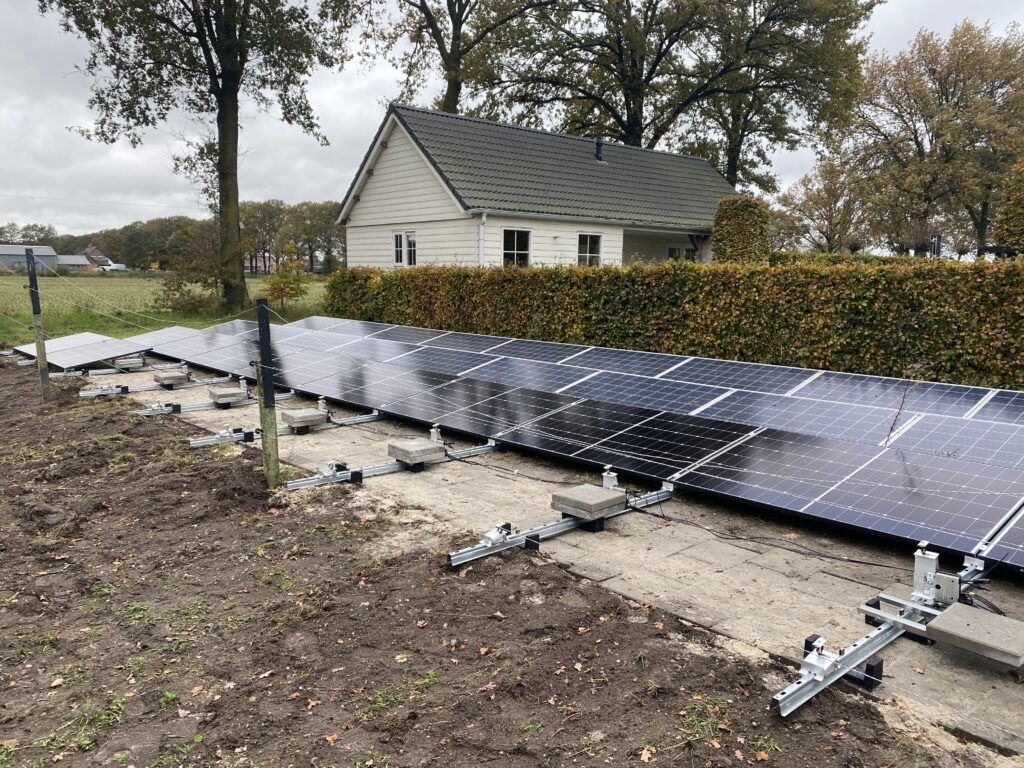
Recent completed projects


Important Factors in Using Optimizers
If your roof is not optimally positioned in relation to the sun, using an optimizer is a wise choice. This is particularly relevant when some of your solar panels are shaded or facing different directions. Naturally, you want to avoid any reduction in the performance of your solar panels. However, does using optimizers always provide better results? The answer is not always straightforward. If your roof is well-suited for solar panel installation and maximizes sun exposure, the additional cost of optimizers may not justify the extra yield, thus prolonging the payback period of your solar panels.
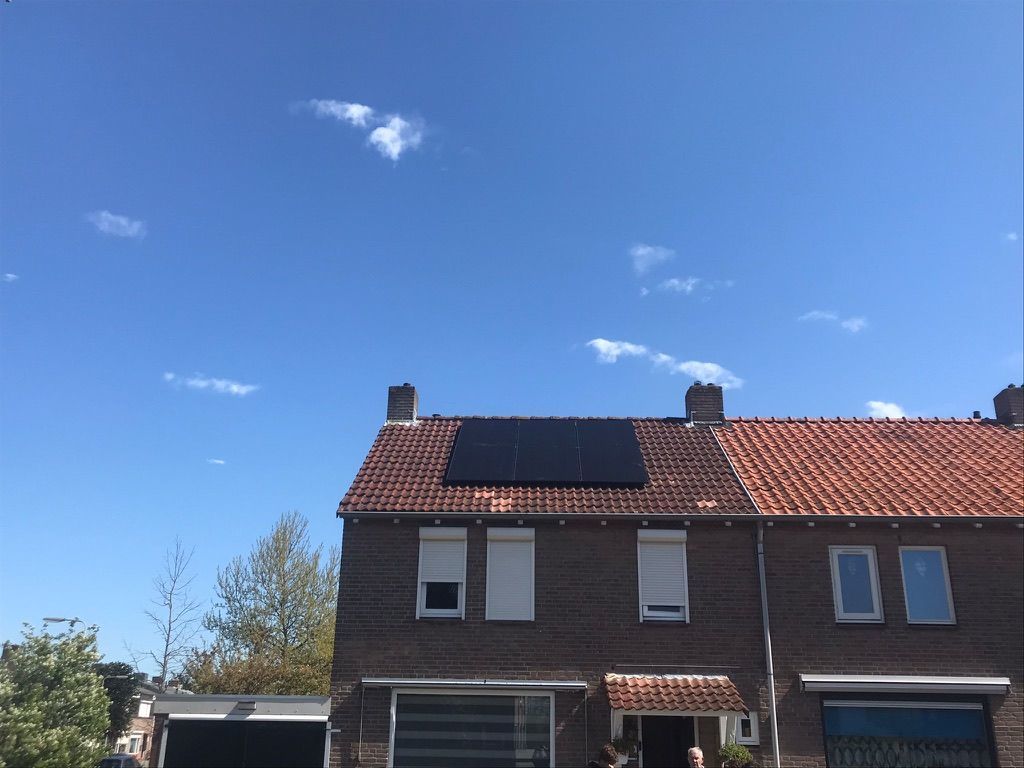
An Example: 12 Solar Panels with Optimizers
It is certainly possible to install optimizers with a serial system of 12 solar panels. In this case, it’s only necessary to install optimizers on the panels that are affected by shading. However, with a SolarEdge parallel system of 12 solar panels, 12 optimizers are required. As a result, this system tends to be slightly more expensive than a serial system.
Connection Diagram for Solar Panels with Optimizers
Tigo optimizers come with four MC4 connectors: two short and two longer ones. The short plugs are connected to the corresponding solar panels, while the longer plugs are used to connect to the string of other panels. Similarly, SolarEdge power optimizers are also equipped with four plugs. The short cables are connected to the panel, and the longer cables are used to connect the string of panels. If any of the plugs are misplaced, the solar system will not function correctly. Finally, the cables from the panels are connected using connectors to the DC cabling, which then connects to the inverter.
Warranty on the Operation of Solar Panel Optimizers
Both SolarEdge and Tigo optimizers come with an impressive 25-year warranty. Interestingly, the lifespan of a solar panel is also approximately 25 years, making this a perfect match. In contrast, the typical lifespan of a standard inverter is between 8 to 12 years, meaning it will likely need to be replaced at least once during the lifetime of your solar panels.
Are you considering adding optimizers to your solar installation? Contact us today to schedule an appointment and receive a free, no-obligation quote.
Get your free, no-obligation quote today
Customer reviews

We are very happy with our solar installation from OptimaSolar. Wim took the time to meet us at our house to give us advice and estimations. The work was carried out very neat and tidy and Wim himself... [ lees meer ]
- Slabbert Family

Great job! Thank you!
- Daniel Stanciu

Got quotes from 3 other solar panel vendors, found optima solar the best for the price i paid. Panels were installed ontime with the perfection.... After sales support is also excellet. Thankyou.
- S B
Interested in seeing our latest work?


Schedule a free consultation
