Types of Solar Panels: Help, There Are So Many!
Solar panels come in all shapes and sizes these days—black, with white stripes, N-type, PERC cells, glass-glass, half-cut, monocrystalline, and more. OptimaSolar offers a range of solar panels, including polycrystalline, monocrystalline, and glass-glass types. Based on your unique situation, we help you choose the best panel. If you’re planning to buy a solar power system, of course you want to know exactly what you’re getting—and we understand that. OptimaSolar explains everything you need to know about the different types of solar panels.
Tier 1 Solar Panels
In the solar industry, manufacturers are categorized as Tier 1, Tier 2, or Tier 3. These rankings reflect the financial stability and manufacturing practices of the companies, not the quality of the panels themselves. Tier 1 manufacturers are financially sound, oversee their entire production process, invest in R&D, use automation, and have at least five years of experience producing solar panels. OptimaSolar exclusively uses solar panel brands with a Tier 1 designation.
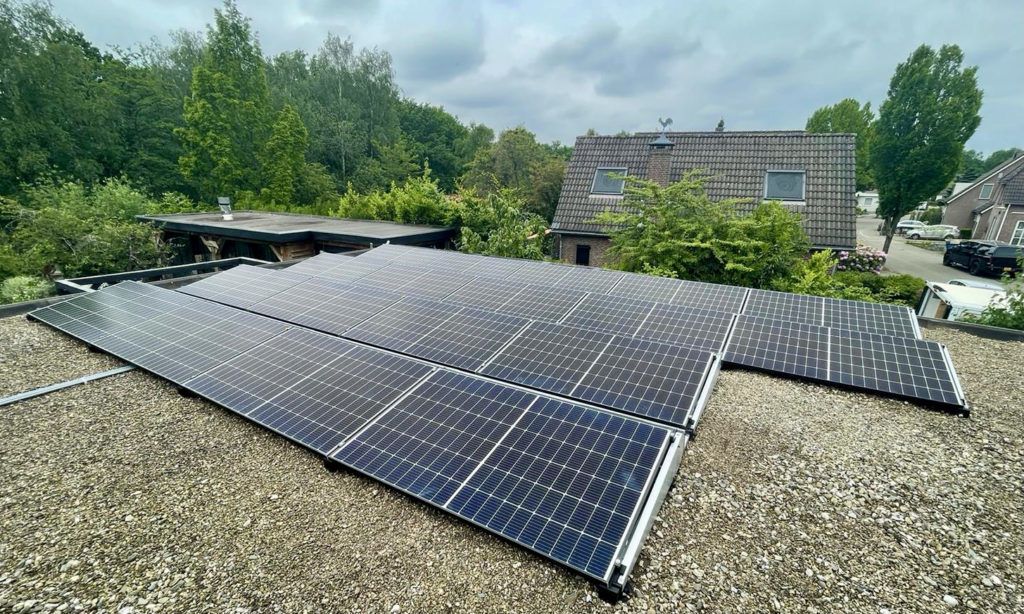
Types of Solar Panels from OptimaSolar
We only work with Tier 1 manufacturers. Our trusted brands include Longi Solar, Jinko Solar, DMEGC Solar, JA Solar, and Luxor Solar. Our product range includes full-black panels, black-and-white panels, glass-glass panels, and bifacial panels.

Recent completed projects


Monocrystalline vs. Polycrystalline Solar Panels
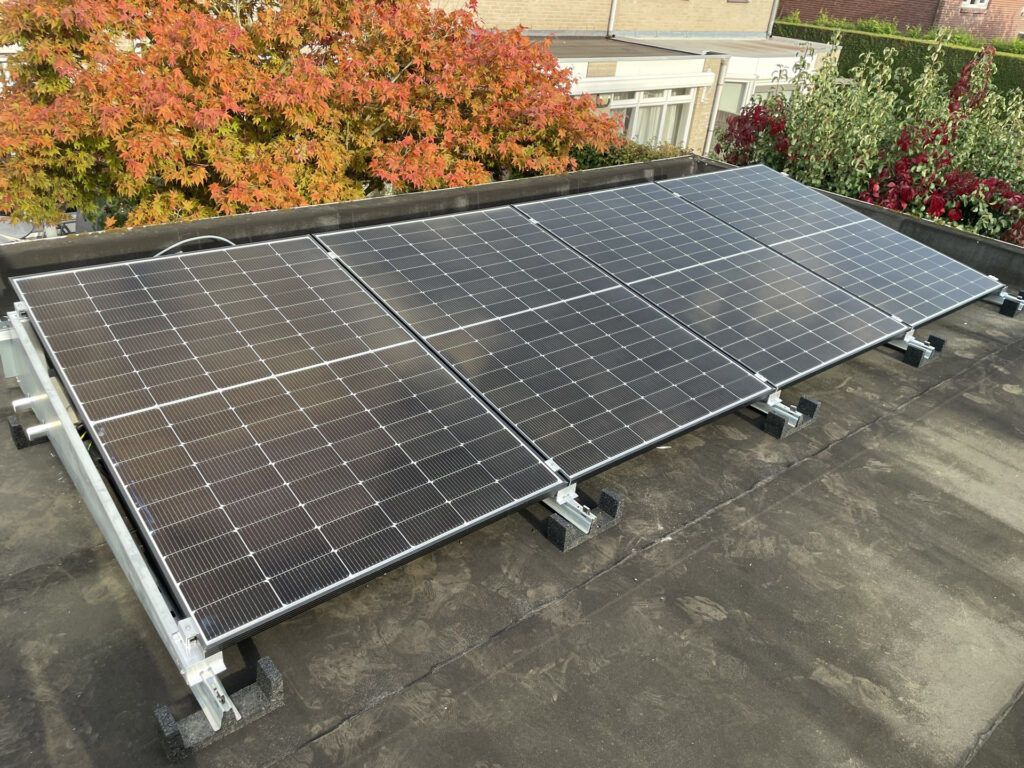
Monocrystalline solar panels are the most widely used, chosen in around 80% of installations mainly for their sleek, all-black appearance. Each solar cell is made from a single crystal, resulting in high efficiency and better performance in high temperatures. However, these panels are typically more expensive than polycrystalline panels due to their aesthetics and performance.
Polycrystalline panels are usually blue and have been around longer. They are made from multiple silicon crystals per cell, which results in slightly lower efficiency. These panels are recognizable by their distinctive crystal pattern and lower price. Today, they are less commonly used—and OptimaSolar no longer installs them.

Bifacial Panels: Double the Yield
Bifacial solar panels capture light from both the front and back sides, increasing their energy output compared to standard panels. They are often made from durable glass-glass material, which contributes to a longer lifespan—typically backed by a 25-year warranty. These panels tend to be more expensive than glass-plastic types.
P-Type vs. N-Type Solar Panels
P-type panels refer to PERC (Passivated Emitter Rear Cell) technology, which adds layers before and after the cell for better efficiency. N-type panels are gaining popularity due to their superior technology. They offer better performance in both hot and cloudy conditions, higher output, and typically come with a 25-year warranty. While N-type panels are technically superior, their higher price means they are still less commonly used.

The Ever-Increasing Power and Size of Solar Panels
Solar panels have steadily increased in size and power in recent years. Today, watt-peak capacities reach up to around 505 Wp, often in panels over two meters long. The most commonly installed panels now range from 410 Wp to 435 Wp, with standard dimensions of 1722 mm (length) x 1134 mm (width) x 30 mm (thickness). In the past, narrower high-power panels were available for unique roof sizes, but these are no longer produced as most manufacturers have standardized panel sizes.

Lifespan and Warranty of Solar Panels
On average, solar panels last about 25 years, often longer. Over time, their output decreases slightly. However, manufacturers typically guarantee that after 25 years, the panels will still deliver at least 84% of their original output. Product warranties vary by type, ranging from 12 to even 30 years, depending on your choice.
Interested in OptimaSolar’s long-lasting solar panels? Feel free to schedule an appointment or request a free, no-obligation quote.
Vrijblijvend advies gesprek
Customer Reviews

We are very happy with our solar installation from OptimaSolar. Wim took the time to meet us at our house to give us advice and estimations. The work was carried out very neat and tidy and Wim himself... [ lees meer ]
- Slabbert Family

Great job! Thank you!
- Daniel Stanciu

Got quotes from 3 other solar panel vendors, found optima solar the best for the price i paid. Panels were installed ontime with the perfection.... After sales support is also excellet. Thankyou.
- S B
Curious about our recent cases?

Schedule a free consultation