

Home battery
While solar panels have already been subject to a 0% VAT rate for several years, a home battery is still taxed at 21% VAT. However, in some cases, this VAT can be reclaimed through the Dutch…
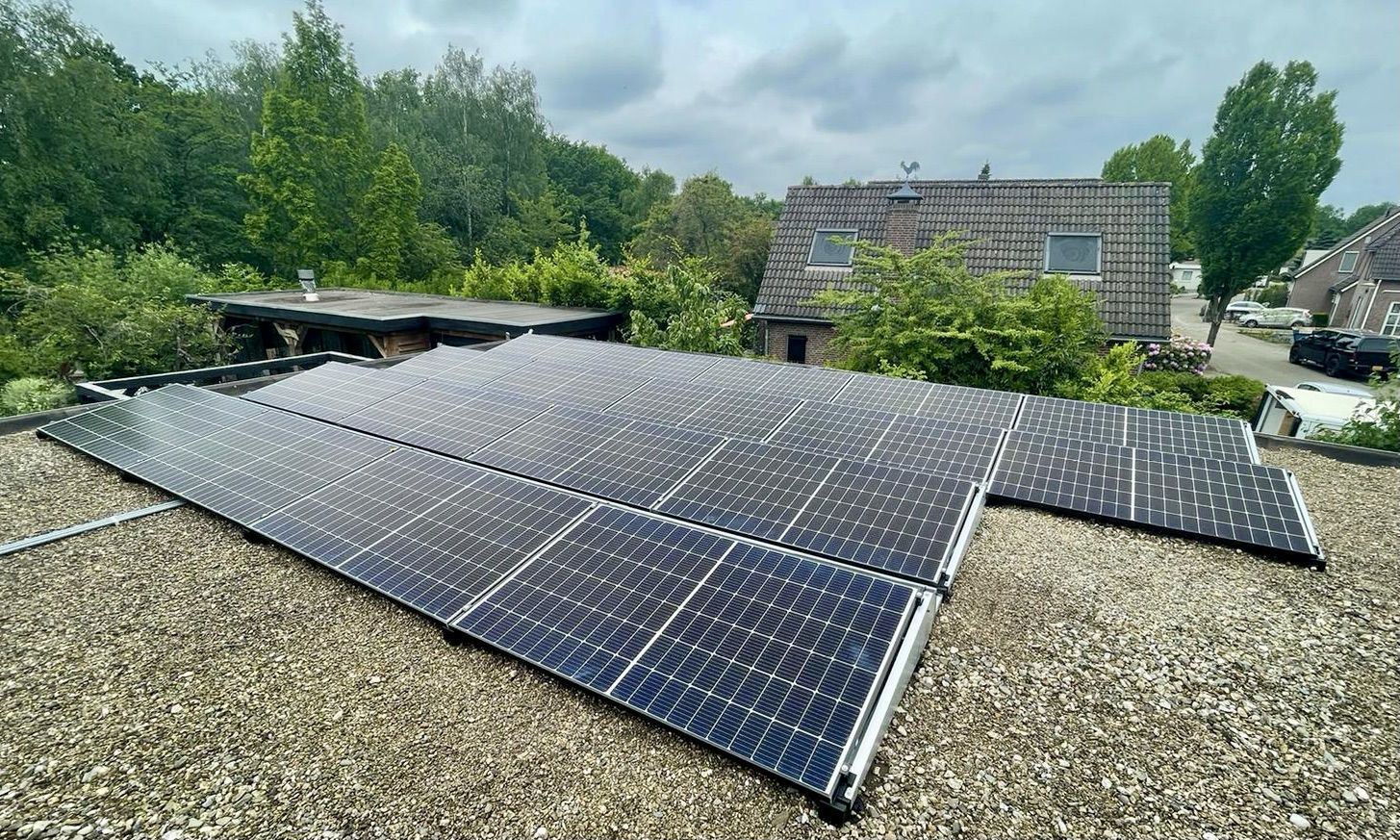
With the introduction of feed-in tariffs, it has become even more important to use the energy you generate yourself directly—since you now have to pay for energy fed back into the grid. To increase your self-consumption, you can use either an AC-coupled or DC-coupled home battery. Here, we explain the difference!
Let’s start at the beginning. Solar panels generate direct current (DC), while the electricity used in your home is alternating current (AC). This means the DC must be converted, which is done by an inverter.
There are central inverters, typically mounted inside the home, and micro-inverters, which are much smaller and installed underneath each individual panel.
A central inverter is connected to the solar panels via DC cabling. The inverter converts the DC to AC, and the AC then flows through a power cable to the main fuse box (meter cupboard). From there, it’s either used in the home or fed back into the grid.
Micro-inverters, on the other hand, convert the current to AC directly on the roof. The AC then flows straight from the solar panels to the fuse box, where it’s distributed or sent to the grid.
A home battery stores energy in DC form. In an AC-coupled system, the current is converted three times:
From DC (solar panels) to AC (inverter),
From AC to DC (into the battery),
From DC back to AC (to power your home).
Brands like Enphase, APsystems, AlphaESS and Sessy offer AC-coupled batteries.
In a DC-coupled setup, the current is converted only once—when it leaves the battery to power your home. The DC flows from the panels to either the battery or the hybrid inverter. This setup requires a hybrid inverter. Brands such as SolarEdge, BYD, and Dyness offer DC-coupled solutions.
As you can see, both systems have their pros and cons. A home battery helps increase your self-consumption and reduce feed-in charges. The right solution for you depends on your energy needs and setup.
Interested in a home battery? Fill in your details—we’ll be in touch soon!
While solar panels have already been subject to a 0% VAT rate for several years, a home battery is still taxed at 21% VAT. However, in some cases, this VAT can be reclaimed through the Dutch…
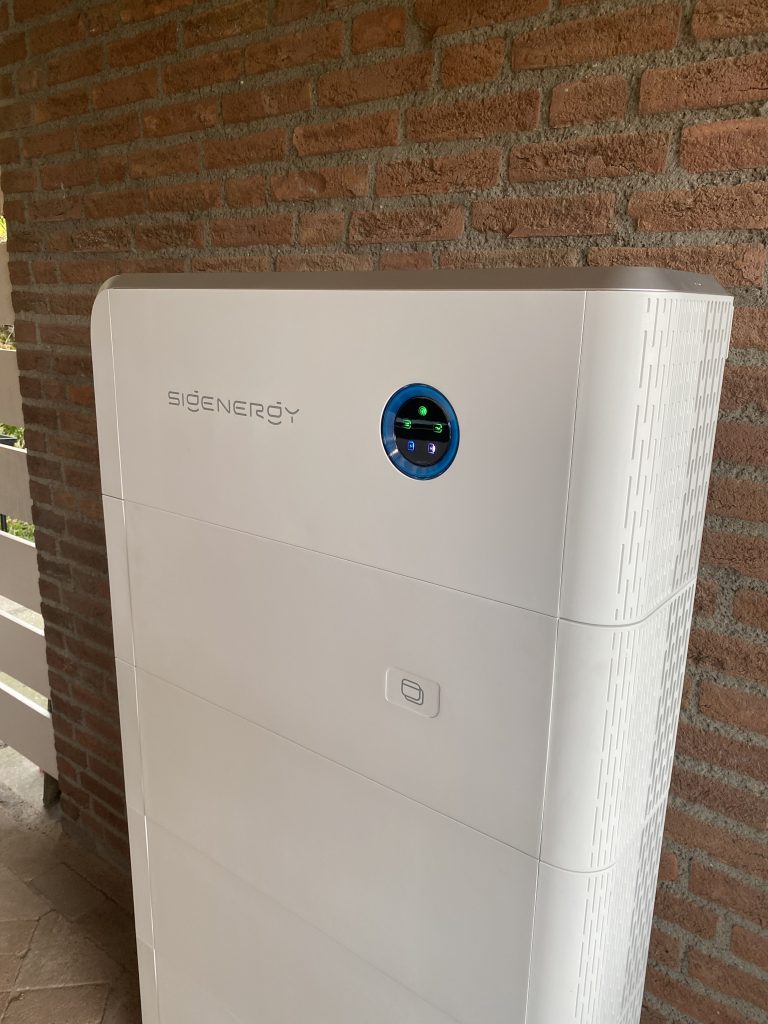
The electricity grid in the Netherlands is increasingly under pressure. In some regions, the grid is even so congested that new connections are no longer possible. As a result, Enexis is asking households to temporarily curtail…