Do you still have an old fashioned dial meter? From 1 January 2026, analogue meters will be replaced by smart meters. Read on to find out what this means and what you need to consider, especially if you have solar panels or a home battery.
Why are analogue meters being phased out?
The replacement of analogue meters is part of the new Energy Act. The Netherlands is preparing its energy grid for the future, and smart meters are part of that. More and more people are generating their own energy with solar panels, storing electricity in home batteries, or driving electric cars. To ensure that everything runs smoothly, it is important to have insight into consumption and feed-in.
How a smart meter works
Smart meters give network operators real time insight into energy consumption and the amount of electricity fed back into the grid. In this way, smart meters help to keep the electricity grid stable and reliable. The old analogue meter cannot do this. It only measures consumption, without registering or digitally transmitting feed-in.
When does the mandatory replacement start?
From 1 January 2026, analogue meters will no longer be permitted. Grid operators, such as Enexis, will then start replacing these meters.
Do you still have one? You will automatically receive a letter with information about when it will be your turn and how the replacement will work. You can choose whether your new meter will be a digital or smart meter. Don’t worry: it is free, and installation usually takes less than an hour.
What do you need to do?
You can recognise an analogue meter by its rotating disc or mechanical numbers. Do you already have a digital or smart meter? Then you don’t need to do anything else. Just wait for the letter from your network operator and let the engineer do the work. You don’t need to make an appointment yourself.
Please note: feed-in costs for smart meters
The smart meter may affect your energy bill. More and more energy suppliers are charging feed-in costs to people who feed electricity back into the grid via solar panels. This only happens with smart meters, because an analogue meter does not register this feed-in. It is therefore wise to check whether your energy contract still suits your situation.
Smart meters and solar panels: advantages and points to consider
Do you have solar panels? Then a smart meter will register exactly what you consume and feed back into the grid. This is important for the net metering scheme and to make optimal use of a home battery or energy management system (EMS).
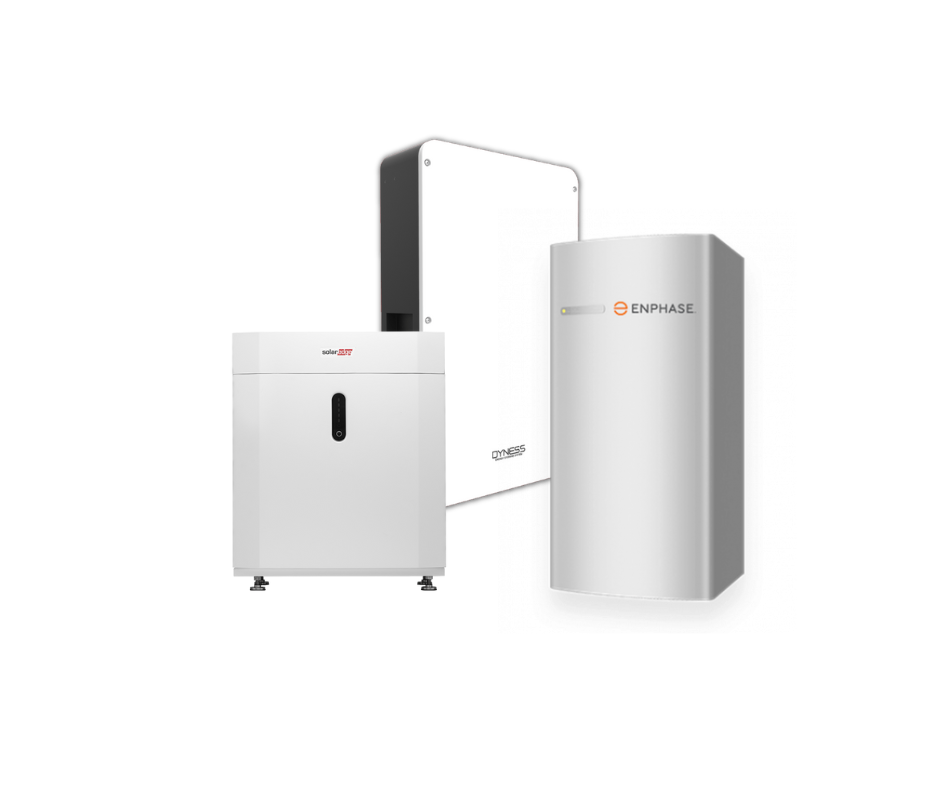
However, a smart meter can also lead to additional costs due to feed-in. A home battery helps to limit these costs because you store and use more of your own generated electricity yourself.
Manage energy smartly with OptimaSolar
Do you combine your solar panels with a charging station, air conditioning, home battery, and EMS? Then you can manage your energy smartly, save costs, and reduce the load on the grid. This allows you to get the most out of your sustainable installation. At OptimaSolar, we are happy to help you make your entire energy system future-proof. From advice to installation, we think along with you.
Do you want to avoid or reduce feed-in costs?
It is wise to consider a home battery in combination with a dynamic energy contract. This will make your energy management smarter and cheaper. If you have solar panels but no home battery yet, a fixed or variable contract is still the most interesting option. You will pay a small feed-in tariff, but you will be able to offset it on a 12-month basis until 1 January 2027.
Contact us for a free consultation. Together, we will ensure that your home or business is ready for the future.