

Home battery
While solar panels have already been subject to a 0% VAT rate for several years, a home battery is still taxed at 21% VAT. However, in some cases, this VAT can be reclaimed through the Dutch…
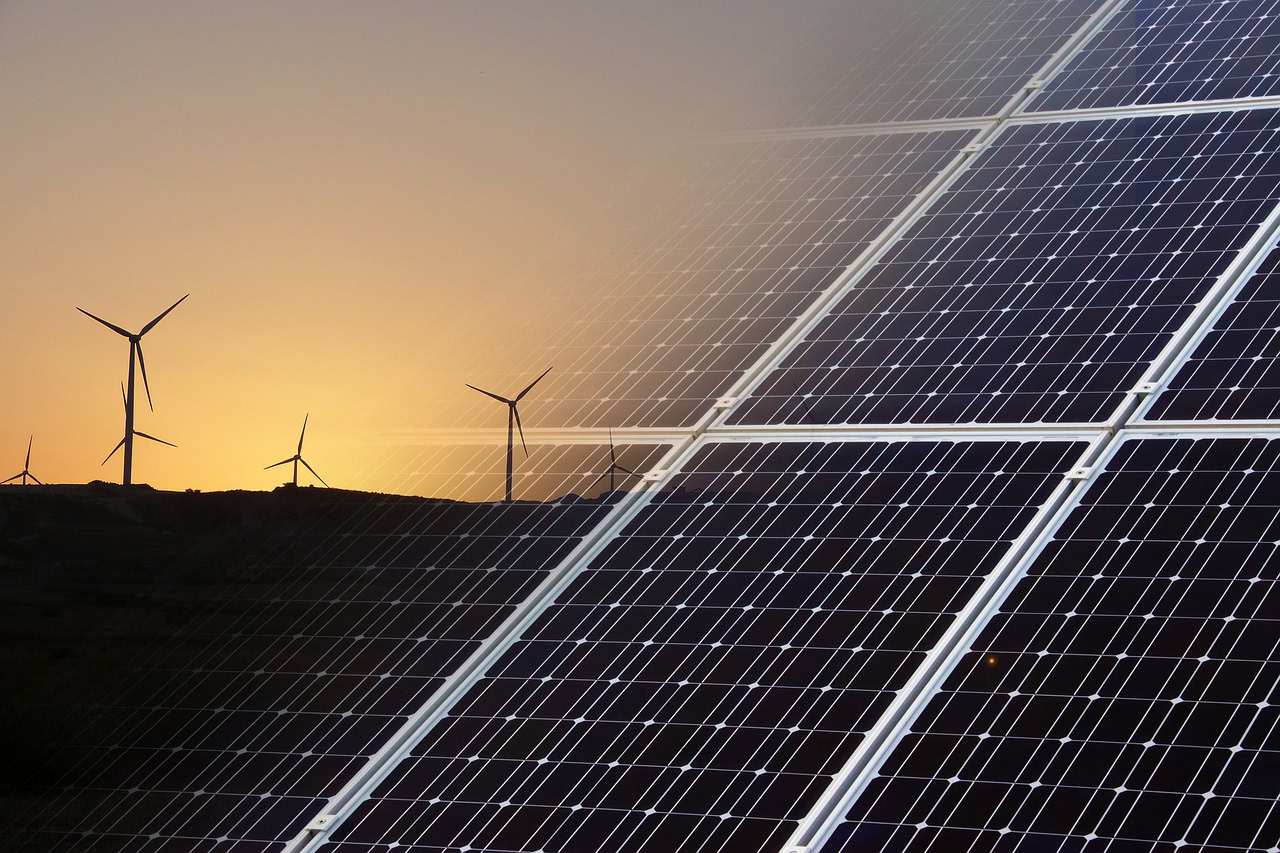
Power outages are becoming a more common topic in the Netherlands. In several regions, the electricity grid is under increasing pressure, leading to more frequent disruptions. Fortunately, there is a solution that can keep your home powered even when the rest of the neighborhood is without electricity: a home battery with backup power. The way this backup functionality is installed varies depending on the system and manufacturer.
A home battery can be connected in two ways: AC-coupled or DC-coupled. With an AC-coupled home battery, the battery is connected to a dedicated circuit in the fuse box. A DC-coupled battery is connected directly to a hybrid inverter.
The main difference lies in energy conversion. An AC-coupled system requires multiple conversion steps between generation, storage, and consumption. A DC-coupled system only requires a single conversion step, making it generally more efficient.
A Growatt home battery is connected directly to a Growatt inverter. If your solar panels are connected to the inverter, the battery is DC-coupled. If you have a different inverter brand or use microinverters, the Growatt battery will be connected as an AC-coupled system.
The latest three-phase Growatt HU inverter models feature an integrated backup function. This means only a second power cable and an additional circuit breaker are required from the fuse box. For single-phase models and older Growatt systems, a separate backup box is required. The inverter is connected to this backup box, enabling backup power functionality during outages.
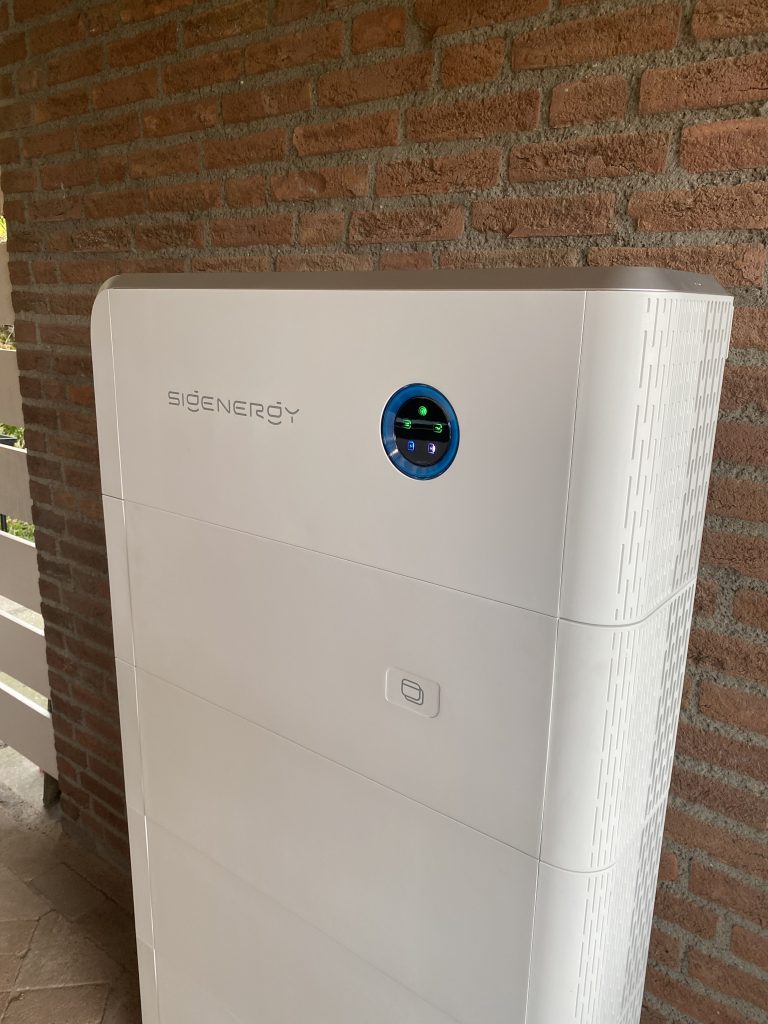
The connection method for Sigenergy is similar to Growatt when it comes to AC-coupled and DC-coupled installations. Sigenergy uses the Sigen Gateway HomePro, available in both single-phase and three-phase versions. You can think of it as the equivalent of Growatt’s backup box.
The gateway is ideally installed as close as possible to the fuse box. Because high power levels pass through the cables, shorter cable runs help avoid the need for excessively thick wiring. During a power outage, the system switches to backup mode almost instantly, ensuring a virtually uninterrupted power supply throughout the home.
For SolarEdge systems, it is important to verify whether your inverter supports backup functionality. If your inverter is not backup-compatible, a SolarEdge battery will not be able to provide backup power during a grid outage.
The SolarEdge Home Hub inverters are designed for backup operation. Combined with the SolarEdge Backup Interface (available in both single-phase and three-phase versions), they provide a future-proof energy solution.
Enphase batteries are always AC-coupled because they already contain integrated microinverters. As a result, solar panels cannot be connected directly to the battery. Instead, the solar panel microinverters are connected directly to the fuse box.
To enable backup functionality, an Enphase IQ System Controller is required. This device connects the battery system to the home’s electrical installation and manages the transition to backup power during outages. Enphase currently offers the IQ System Controller 3 as its latest model.
Like Enphase systems, APsystems microinverters are connected directly to the fuse box. The inverter responsible for converting battery power is called the Power Conversion System (PCS). For single-phase homes, this is the ELS, while three-phase homes use the ELT.
The PCS is then connected to the APsystems battery system. One unique advantage of the PCS is that, in principle, the solar panel microinverters can also be connected to it. This allows the solar panels to continue charging the battery during a power outage. Similar to Growatt systems, a second power cable is required to supply backup power to the home.
As you can see, there are several ways to connect a home battery with backup power, depending on the brand and system you choose. This is an important consideration if you plan to add backup functionality at a later stage. Some systems require additional hardware, while others already have backup functionality integrated into the inverter.
Interested in a home battery with backup power? Feel free to contact us for a no-obligation quotation and personalized advice.
While solar panels have already been subject to a 0% VAT rate for several years, a home battery is still taxed at 21% VAT. However, in some cases, this VAT can be reclaimed through the Dutch…
The electricity grid in the Netherlands is increasingly under pressure. In some regions, the grid is even so congested that new connections are no longer possible. As a result, Enexis is asking households to temporarily curtail…