
Energy management system
Solar panels in 2026 will bring several changes that owners need to consider. New rules, technologies, and smart meters make it important to be well prepared and to make the most of your solar energy. Energy…
More and more households are switching to electric driving. This makes sense, as electric cars are sustainable, quiet and future-proof. However, once you install a charging station at home, an important topic comes into play: load balancing. What exactly is load balancing in a charging station, and why is it so important?
Load balancing ensures that the power consumption in your home and the charging of your electric car are properly coordinated. The charging station continuously monitors how much electricity is being used in your home and automatically adjusts the charging capacity of the car accordingly.
Without load balancing, your car may charge at full power while you are also cooking, running the washing machine and using, for example, a heat pump or air conditioning. This can lead to an overload of the electrical installation, causing circuit breakers or even the main fuse to trip. No one wants to be without power.
The main advantage of load balancing is safety. It prevents your electricity connection from becoming overloaded. Load balancing also offers convenience. You do not have to worry about anything, as everything is regulated automatically and you make optimal use of the available power in your home.
Load balancing works with an energy meter or current transformers in the meter cupboard that measure the total power consumption of your home. As soon as other appliances require more power, the charging station automatically reduces the charging capacity of the car. When more power becomes available again, the charging speed automatically increases.
This process happens fully automatically and in real time. As a result, your electric car always charges as fast as possible without compromising the safety of your electrical installation.
There are two types of load balancing: static load balancing and dynamic load balancing. With static load balancing, a fixed maximum load is set. This solution is simple but not flexible, as it does not take fluctuating household power consumption into account.
Dynamic load balancing is the most commonly used and smartest solution. The available charging capacity is continuously adjusted based on the current power consumption in the home. This allows you to always use the maximum available capacity without the risk of overloading the main fuse.
Load balancing is not legally mandatory, but it is strongly recommended. It contributes to a safe charging station installation and helps prevent problems in the long term. OptimaSolar therefore does not see load balancing as an optional extra, but as a standard component of a future-proof charging solution. We mainly install smart charging stations from Wallbox and Enphase, which are ideally suited for dynamic load balancing.
Load balancing in combination with solar panels ensures that your electric car is charged as efficiently and intelligently as possible using your own solar energy. The charging station monitors how much electricity your solar panels produce and how much energy your household consumes at any given moment.
When there is a surplus of solar energy, the charging station can automatically start charging or increase the charging capacity. If the solar yield temporarily decreases, for example due to cloud cover, the system immediately adjusts. This allows you to charge your car using excess solar energy, increase self-consumption, feed less electricity back into the grid and prevent overloading the meter cupboard.
The costs of load balancing are relatively low and usually only a small additional expense compared to the total cost of a charging station installation. In return, you prevent costly damage, power outages and inconvenience. In many cases, load balancing can be easily added using an energy meter or current transformers.
Curious whether load balancing is necessary in your situation or which solution best suits your needs? Feel free to contact us for personal advice. We are happy to help you find the right solution.
Solar panels in 2026 will bring several changes that owners need to consider. New rules, technologies, and smart meters make it important to be well prepared and to make the most of your solar energy. Energy…
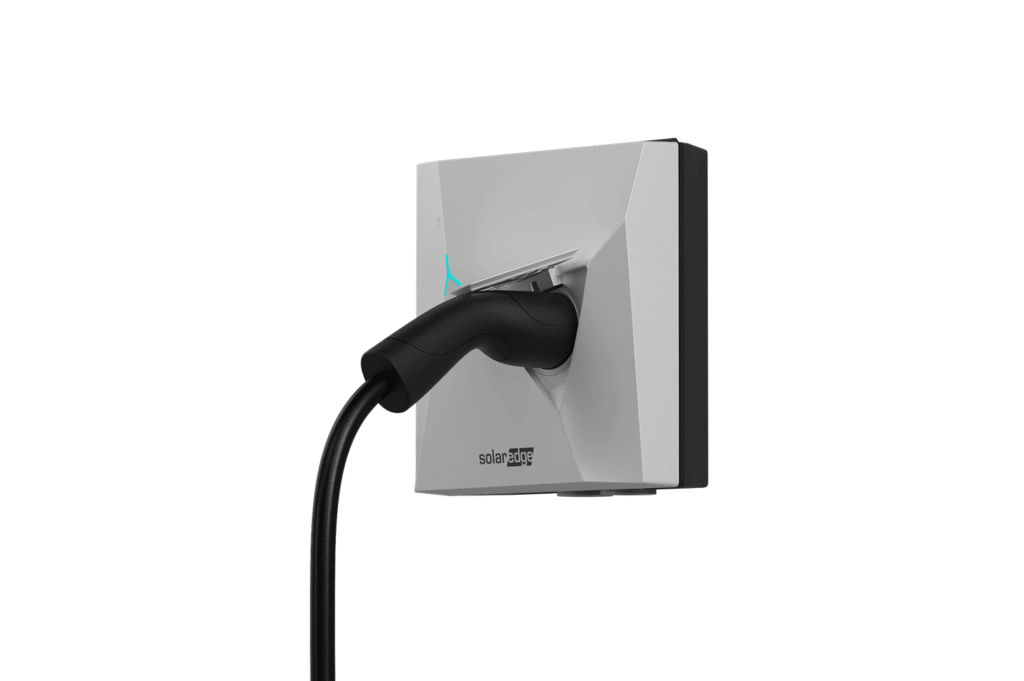
SolarEdge takes smart charging to the next level. Homeowners with a SolarEdge system have something new to look forward to. In November 2025, the brand will launch two updated SolarEdge charging stations with a sleek design…