

Home battery
While solar panels have already been subject to a 0% VAT rate for several years, a home battery is still taxed at 21% VAT. However, in some cases, this VAT can be reclaimed through the Dutch…
From 29 May 2026, home batteries will also be included in a home’s energy label calculation in The Netherlands. While solar panels have been taken into account for some time, energy storage will now be included as well. This means a home battery can contribute to a better energy label. However, several conditions apply.
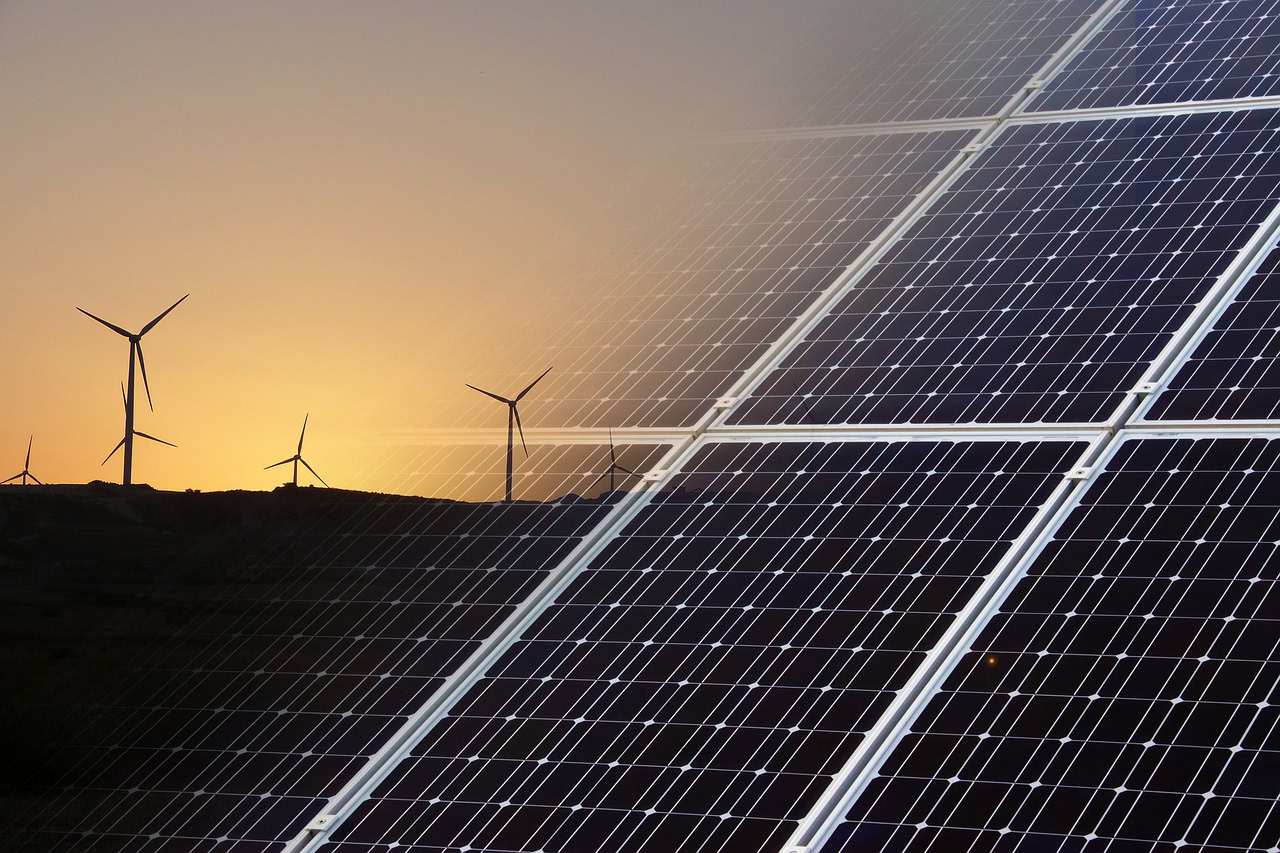
The output of your solar panels reduces the calculated energy consumption of a home, which often leads to a better energy label. The more renewable energy a home generates itself, the more favourable the result. The calculation is based on the installed capacity of the solar panels. In many cases, installing around 8 to 10 solar panels can already improve a home’s energy label by one or even two steps. This makes solar panels one of the most effective ways to improve a property’s energy performance rating.
When determining the energy label, both the number of panels and the type of panels are taken into account. These details can be found on the installation invoice. If you are a customer of OptimaSolar, you can easily find this information on your quotation and final invoice. It is useful to have this ready when applying for an energy label assessment.
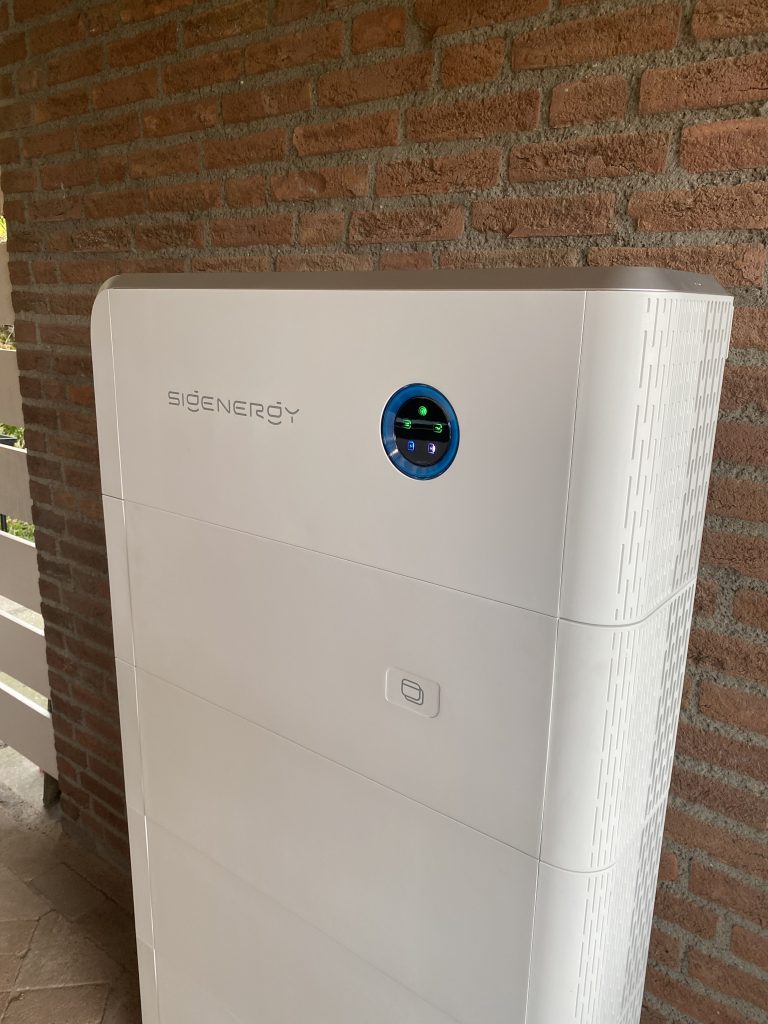
As mentioned above, from 29 May 2026 a home battery will be included in the energy label calculation. However, there are several requirements. For example, plug-and-play batteries are not allowed. These are also known as plug-in batteries and can easily be removed and taken with you when moving house. The correct type is a permanently installed home battery, connected to the distribution board via fixed cabling.
In addition, the battery must have a minimum storage capacity of 5 kWh. Most battery systems start at this capacity, meaning a single module is often sufficient. For many households, this is enough to cover a large part of the evening and night using stored solar energy.
To contribute to a better energy label, the battery must be part of a system that stores self-generated solar energy. In practice, a home battery typically results in a modest improvement of around 2% to 5% in the overall energy score. This is usually not enough to move up a full label class, unless the property is already close to the next rating level. Even so, a home battery can contribute to a better energy label and increases the amount of self-consumed solar energy, making the home more energy efficient overall.
If you would like to know how to improve your energy label with solar panels, a home battery, or a combination of both, feel free to request a no-obligation quotation from us.
While solar panels have already been subject to a 0% VAT rate for several years, a home battery is still taxed at 21% VAT. However, in some cases, this VAT can be reclaimed through the Dutch…
The electricity grid in the Netherlands is increasingly under pressure. In some regions, the grid is even so congested that new connections are no longer possible. As a result, Enexis is asking households to temporarily curtail…