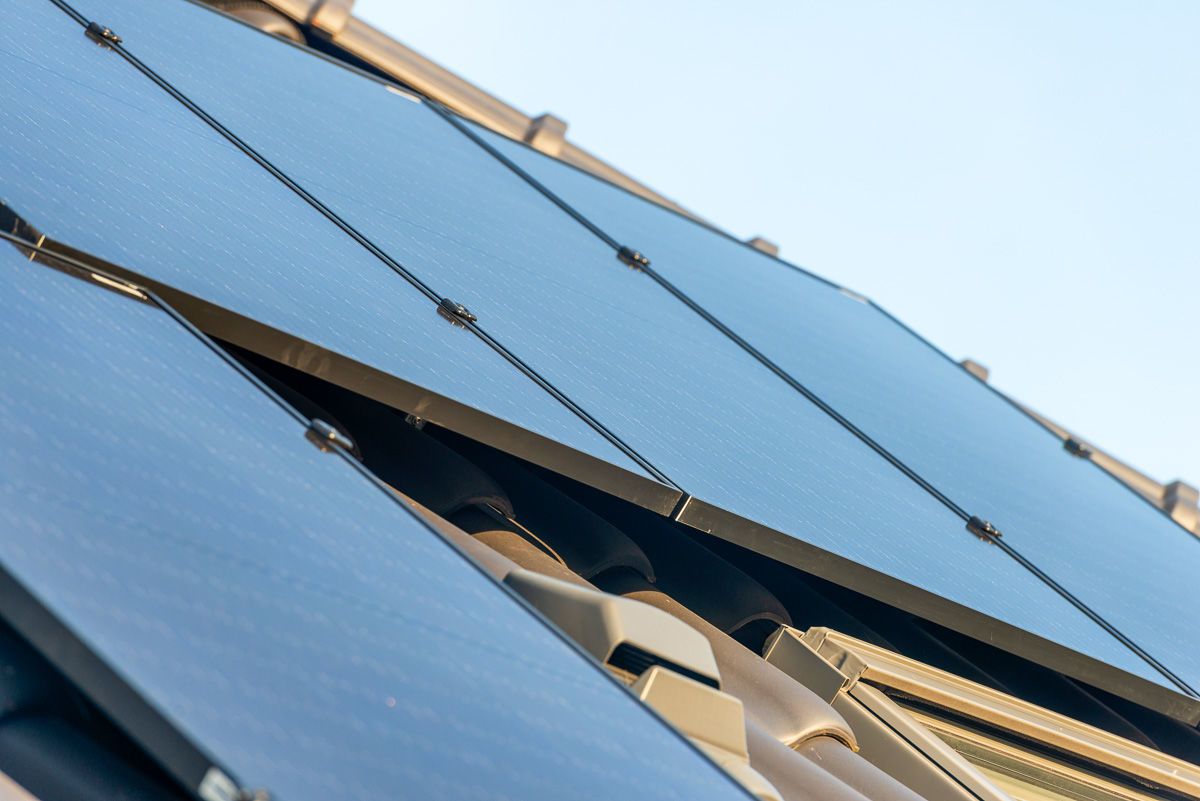
There’s a lot being said about green energy these days — but what should you really believe? Every week, new “facts” and “fables” pop up. At OptimaSolar, we’re here to set the record straight! This time, we’re diving into solar panels.
‘Solar panels need bright sunshine to generate power’
FABLE! Solar panels are also called photovoltaic cells — they convert light into electricity. So while bright sunlight boosts performance, solar panels still generate energy even on cloudy days. Output will be lower, of course, but still enough to keep your system profitable.
‘Temperature has no effect on solar panel production’
FABLE! Temperature does affect production. Solar panels perform best at moderate temperatures, ideally between 20 and 25°C. That’s because heat can reduce their efficiency by disrupting electron flow inside the cells. That’s why proper ventilation — especially beneath the panels — is essential.
‘There are no government subsidies available for individuals’
FACT! There are currently no direct subsidies for solar panels from the Dutch government. However, there are other incentives. For instance, the Stimuleringsfonds Volkshuisvesting offers an Energy Saving Loan that can help finance energy-efficient home upgrades. Plus, private individuals pay no VAT on solar panel systems in the Netherlands. And don’t forget: the net-metering scheme (salderingsregeling) is still in place until 2027, allowing you to offset your solar production against your energy use in darker months.
‘Every roof is suitable for solar panels’
FABLE! While a south-facing roof yields the most sunlight, east- and west-facing roofs are also very effective. In fact, an east-west setup can help spread your energy production more evenly throughout the day — reducing large peaks that might otherwise be fed back into the grid. This is especially useful if you’re considering a home battery. And if your roof has some shading? Modern technology has solutions for that, too.
‘Solar panels increase your home’s value’
FACT! Solar panels reduce your monthly energy costs and improve your home’s energy label — often by one or more levels. This generally increases the value of your home. The effect depends on how many panels you install and how much energy they produce.
Stay tuned — Part 2 coming soon!