You’ve probably seen it in the news: feed-in charges. Several energy suppliers now charge households with solar panels for the electricity they feed back into the grid. The big question: Are solar panels still a smart investment? The answer is yes!
Despite the introduction of feed-in charges, solar panels remain profitable. These costs are only applied to the electricity that is fed back into the grid—either calculated per kWh or as a fixed amount. This means: the more of your generated electricity you use directly, the quicker you’ll earn back your investment in solar panels. Read on to learn how.
Feed-In Charges vs Feed-In Compensation
Feed-in charges apply to solar energy that isn’t used directly in your home and is instead returned to the grid. That returned electricity is essentially sold to your energy supplier, for which you receive a feed-in compensation at the end of your contract year under the net metering scheme. Your returned electricity is offset against your annual consumption. Thanks to this arrangement, solar panels still deliver a solid return—much more than what you pay in feed-in charges!
For example:
A 10-panel solar installation typically produces around 4,000 kWh annually. At a rate of €0.30/kWh, that equals €1,175.
With 65% of that power fed back into the grid, average monthly feed-in charges are about €21—or €250 per year—leaving a direct net gain of roughly €925. And that gain can be significantly higher when you use a home battery.
Why Are Feed-In Charges Introduced?
Because the average household uses only about 30% of generated power directly, large amounts are pushed back into the grid on sunny days. This overloads the grid and increases costs for energy suppliers. These feed-in charges apply whether you have a fixed or variable energy contract.
How to Limit Feed-In Charges
Feed-in costs vary by energy supplier and how much power you return. To minimize them, use your solar energy immediately. Run your dishwasher, washing machine, or dryer when the sun is shining—preferably during the day rather than at night. Many modern appliances allow scheduling via timers or smartphone apps.
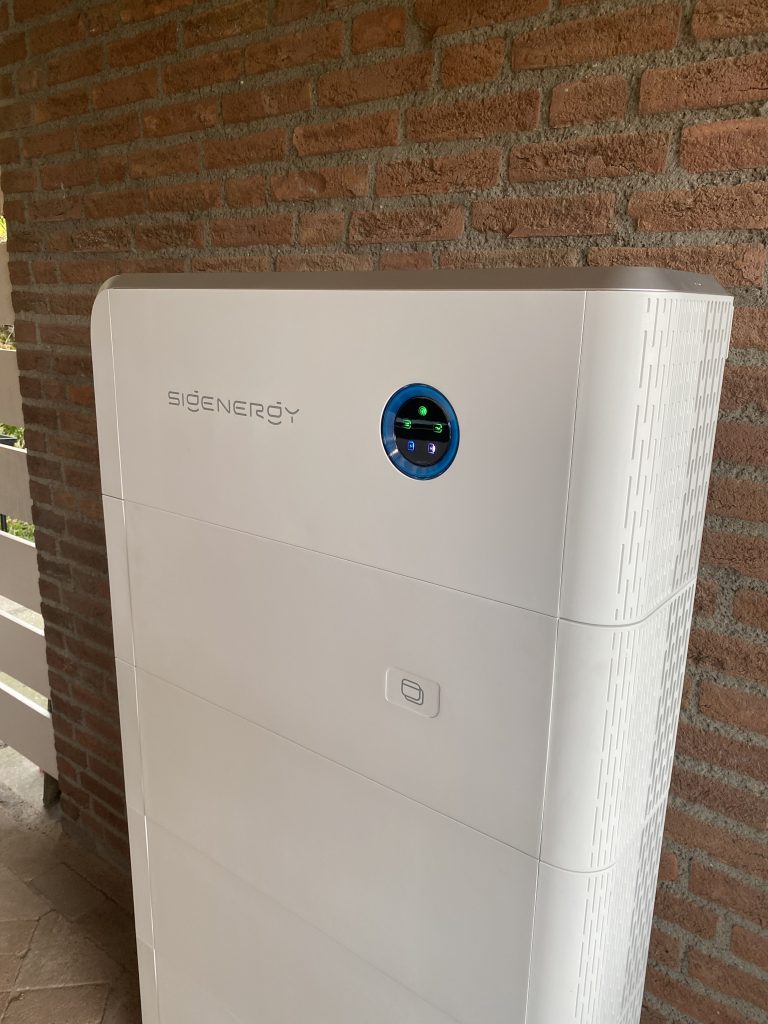
Appliances like air conditioners, electric boilers, and home batteries also help increase your self-consumption.
Which Suppliers Charge Feed-In Fees?
Energy suppliers such as Greenchoice, Engie, Coolblue Energie, Clean Energy, and Eneco apply fixed monthly feed-in fees.
Others—including Van de Bron, Energie VanOns, OM | Nieuwe Energie, Budget Energie, Vrijopnaam, Innova, Gewoon Energie, Pure Energie, United Consumers, Vattenfall, Essent, and Mega Energie—use variable pricing.
Solar Panels with a Dynamic Contract
If you have solar panels and a dynamic energy contract, there are no feed-in charges. You’re paid the same hourly rate for electricity you feed back as you pay for the electricity you consume at that time. A dynamic contract is especially beneficial if you own a home battery.
Combined with an Energy Management System (EMS), this allows you to trade electricity and potentially earn money on the energy market.
OptimaSolar works with Frank Energie and Next Energy to offer the best conditions for our customers.
No Solar Panels Yet?
Now is a great time to invest. Panel prices are beginning to rise slightly, making it even more worthwhile to buy now and benefit from the net metering scheme in the coming years. If you’re planning to install solar panels, it’s crucial to consider their orientation and the times you’re typically at home. Strategic panel placement reduces power peaks and boosts direct usage—minimizing feed-in charges.
Interested in solar panels, a home battery, or a charging station from OptimaSolar? Schedule a free consultation and receive a no-obligation quote!
Request a non-binding quote