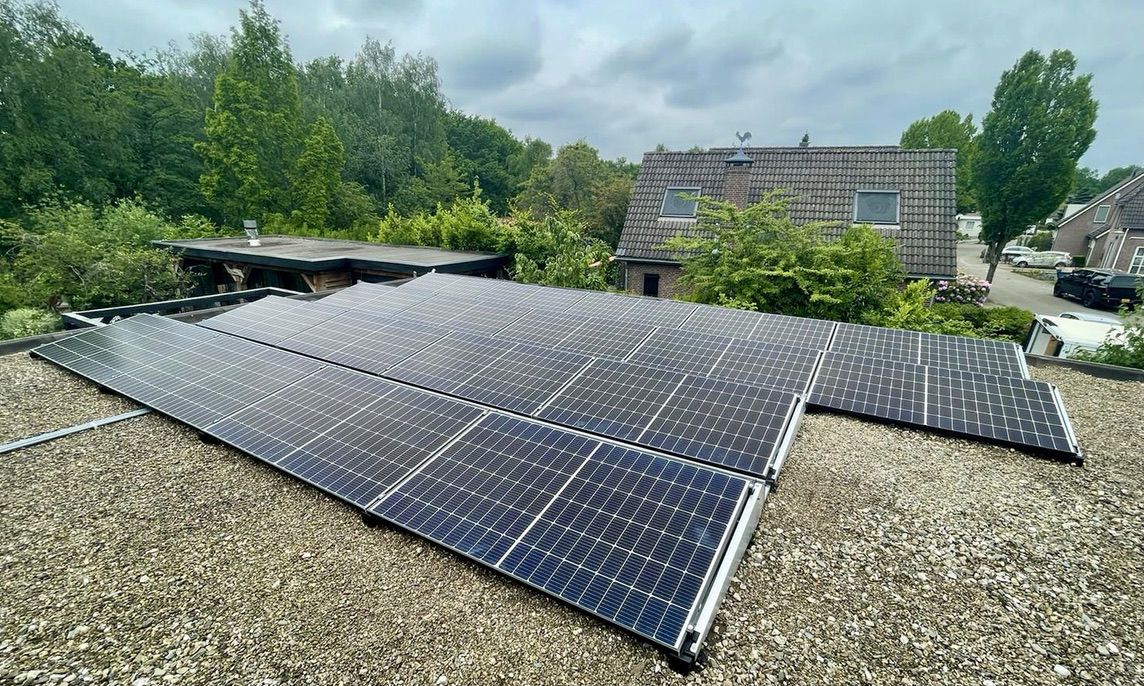
Fall and winter are upon us again, which means shorter days and a lower sun position. However, many people misunderstand the yield during this time of year. For instance, colder temperatures are actually better for solar panel production.
Typically, about 30 percent of the annual output is generated during this period. A general rule of thumb is that solar panels produce ⅔ of the annual output in spring and summer and ⅓ in the fall and winter. Of course, the yield depends on several factors, such as sun position, temperature, sunlight hours, and snowfall. While the days are longer and the sun is higher in summer, high temperatures can actually reduce energy generation.
The Winter Period and the Balancing Scheme
Due to shorter days, the inverter may shut off a bit earlier due to the required start-up voltage. Although the yield in winter is lower than in the summer months, remember that until 2027, you can still benefit from the balancing scheme. This allows you to offset the energy generated (in summer or during the day) and fed back into the grid against the energy you take from the grid in winter or in the evenings.
Hardly Any Feed-In Costs During Winter
On the plus side, feed-in from your panels will be very low in winter. All the power generated goes first to the appliances in your home that need it, and only then does any excess go into the grid. So, you may see very little feed-in on your statement during the winter months. This is one of the reasons why we can’t completely do without the grid just yet. If you need power, you will still import it from the grid.
Cleaning Solar Panels in Winter: Snow
Did you know that snow can actually be the best way to clean your solar panels? A light layer of snow provides extra reflection of sunlight, boosting production! Such a thin layer can also easily be blown off, causing minimal issues. However, if heavy snow accumulates, production will be zero. In this case, you’re reliant on the temperature or sunlight to melt the snow. We strongly advise against trying to remove (frozen) snow from your panels, as this could cause damage.
Despite the shorter days in fall and winter, solar panels remain a profitable investment. Don’t forget that, thanks to the net-metering scheme, solar panels will still yield significantly more until 2027!
Are you interested in learning more? We would be happy to provide you with a no-obligation quote.